Introduction to the Fashion Industry
- H3: Why Fashion Is More Than Just Clothes
- H3: The Global Scale of Fashion
Where Fashion Trends Actually Begin
- H3: Fashion Weeks and Runways
- H3: Influence of Celebrities and Social Media
- H4: Role of Instagram, TikTok, and Influencers
Trend Forecasting Explained
- H3: What Is Trend Forecasting?
- H3: How Brands Predict What You’ll Wear Next Year
From Idea to Design
- H3: Concept Creation
- H3: Sketching and Digital Design
Fabric Selection and Sourcing
- H3: Choosing the Right Materials
- H3: Sustainable vs Fast Fashion Fabrics
Sampling and Prototyping
- H3: First Samples
- H3: Fit, Feedback, and Adjustments
Manufacturing the Clothing
- H3: Mass Production Process
- H3: Local vs Overseas Manufacturing
Quality Control in Fashion
- H3: Why Quality Checks Matter
- H3: Common Quality Issues
Branding and Labeling
- H3: Building a Fashion Brand Identity
- H3: Tags, Labels, and Packaging
Pricing the Product
- H3: Cost Breakdown
- H3: Why Fashion Prices Vary So Much
Marketing and Promotion
- H3: Fashion Advertising Strategies
- H3: Digital Marketing and Influencer Campaigns
Distribution and Retail
- H3: Online Stores vs Physical Stores
- H3: Role of Wholesalers and Marketplaces
Fashion Reaches Your Wardrobe
- H3: The Customer Buying Journey
- H3: Post-Purchase Experience
Sustainability and Ethics in Fashion
- H3: Environmental Impact
- H3: Ethical Fashion Practices
The Future of the Fashion Industry
- H3: Technology in Fashion
- H3: Changing Consumer Behavior
Conclusion
FAQs
How the Fashion Industry Really Works: From Trend Idea to Your Wardrobe
Introduction to the Fashion Industry
Why Fashion Is More Than Just Clothes
Fashion isn’t just about looking good. It’s about expression, culture, identity, and sometimes rebellion. Every outfit you wear tells a story—about trends, society, and even economics. Behind that simple T-shirt or designer dress is a massive system working quietly but powerfully.
The Global Scale of Fashion
The fashion industry is one of the largest industries in the world. It connects designers in Paris, fabric mills in India, factories in Bangladesh, and customers everywhere. One trend can travel continents in weeks. Sounds fast, right? That’s because it is.
Where Fashion Trends Actually Begin
Fashion Weeks and Runways
Most trends start on runways in cities like Paris, Milan, London, and New York. Designers showcase their collections months in advance. These shows act like crystal balls, hinting at what colors, cuts, and fabrics will dominate next season.
Influence of Celebrities and Social Media
Role of Instagram, TikTok, and Influencers
Today, fashion trends don’t wait for runways. A celebrity outfit or viral TikTok can spark a global trend overnight. Influencers are now trendsetters, turning everyday looks into must-haves.
Trend Forecasting Explained
What Is Trend Forecasting?
Trend forecasting is the art and science of predicting what people will want to wear in the future. Brands analyze culture, politics, technology, and even weather patterns to stay ahead.
How Brands Predict What You’ll Wear Next Year
Special agencies provide trend reports covering colors, fabrics, silhouettes, and lifestyles. Brands use this data like a roadmap, ensuring they don’t miss the next big thing.
From Idea to Design
Concept Creation
Once a trend is identified, designers build concepts around it. This includes themes, mood boards, and color palettes. Think of it as storytelling through clothing.
Sketching and Digital Design
Designers sketch ideas by hand or use software like CAD. These designs become technical blueprints that guide production.
Fabric Selection and Sourcing
Choosing the Right Materials
Fabric choice affects comfort, price, and durability. Cotton, polyester, silk, denim—each fabric serves a purpose.
Sustainable vs Fast Fashion Fabrics
Sustainable brands prefer organic cotton, recycled fibers, and low-impact dyes. Fast fashion often chooses cheaper materials to reduce costs and speed up production.
Sampling and Prototyping
First Samples
Before mass production, samples are created. These are test versions of the garment.
Fit, Feedback, and Adjustments
Designers tweak sizing, stitching, and details until the product feels just right. This step is crucial because one small mistake can ruin thousands of pieces later.
Manufacturing the Clothing
Mass Production Process
Once approved, designs move to factories. Patterns are cut, fabrics stitched, and garments assembled at scale.
Local vs Overseas Manufacturing
Local production offers faster turnaround and better quality control. Overseas manufacturing is cheaper but comes with logistical challenges.
Quality Control in Fashion
Why Quality Checks Matter
Quality checks ensure clothes don’t tear, fade, or shrink unexpectedly. Customers remember bad quality—and brands pay the price.
Common Quality Issues
Loose threads, uneven stitching, and incorrect sizing are common problems if checks are skipped.
Branding and Labeling
Building a Fashion Brand Identity
Logos, fonts, and messaging create brand identity. Think Nike’s swoosh or Zara’s minimalist style.
Tags, Labels, and Packaging
Even tags and packaging matter. They add perceived value and reinforce brand image.
Pricing the Product
Cost Breakdown
Pricing includes fabric, labor, logistics, marketing, and profit margins.
Why Fashion Prices Vary So Much
A basic T-shirt and a designer tee may look similar, but branding, quality, and production methods make all the difference.
Marketing and Promotion
Fashion Advertising Strategies
Brands use photoshoots, fashion films, and campaigns to attract attention.
Digital Marketing and Influencer Campaigns
Social media ads and influencer collaborations drive modern fashion sales more than billboards ever did.
Distribution and Retail
Online Stores vs Physical Stores
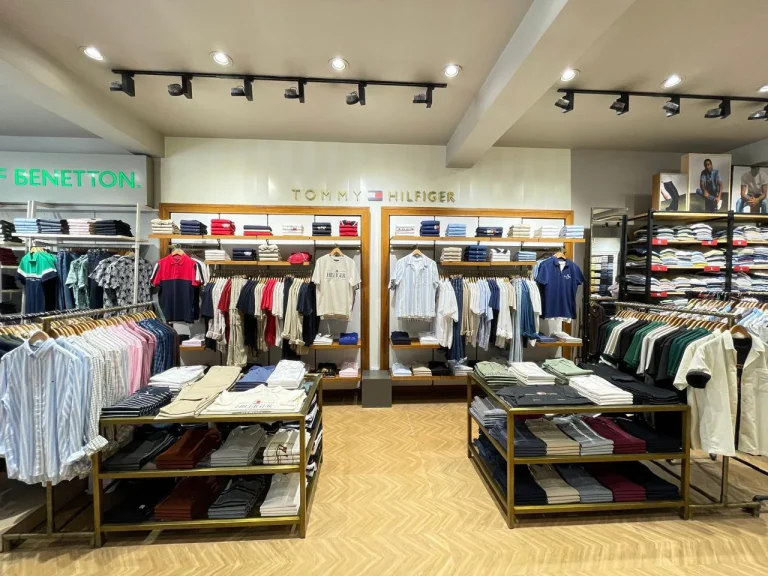
E-commerce offers convenience, while physical stores provide experience. Most brands now use both.
Role of Wholesalers and Marketplaces
Marketplaces like Amazon and Myntra help brands reach wider audiences quickly.
Fashion Reaches Your Wardrobe
The Customer Buying Journey
From scrolling online to trying clothes at home, the buying journey is carefully designed.
Post-Purchase Experience
Returns, reviews, and customer service shape brand loyalty.
Sustainability and Ethics in Fashion
Environmental Impact
Fashion contributes to pollution and waste. Water usage and textile waste are major concerns.
Ethical Fashion Practices
Ethical brands focus on fair wages, safe working conditions, and eco-friendly materials.
The Future of the Fashion Industry
Technology in Fashion
AI design tools, virtual try-ons, and smart fabrics are changing how fashion works.
Changing Consumer Behavior
Consumers now value transparency, sustainability, and personalization more than ever.
Conclusion
From a simple idea to the clothes hanging in your wardrobe, fashion is a long and fascinating journey. It’s a mix of creativity, business, technology, and culture. The next time you buy an outfit, remember—it’s not just fabric, it’s a story stitched together across the world.
FAQs
1. How long does it take for a fashion trend to reach stores?
Usually 6–18 months, but fast fashion can do it in weeks.
2. Who decides fashion trends?
Designers, trend forecasters, celebrities, and social media all play a role.
3. Why is fast fashion so cheap?
Low-cost materials, mass production, and overseas manufacturing reduce prices.
4. Is sustainable fashion more expensive?
Often yes, due to ethical labor and eco-friendly materials.
5. Will online fashion replace physical stores?
Not completely. Both will coexist, offering different experiences.